Professional Roofing Company
Email: info@pcsroofing.com
Professional Roofing Company

When you look at your roof, you likely see just the shingles or top layer. However, what lies beneath is just as crucial to the safety and performance of your home, especially with the variable weather in the Upstate South Carolina region. From frequent storms in the spring to humid summers and the occasional cold snap in winter, each layer of your roofing system plays a specific and necessary role. Understanding these layers and their functions helps you make informed decisions when it’s time for a repair or a roof replacement.
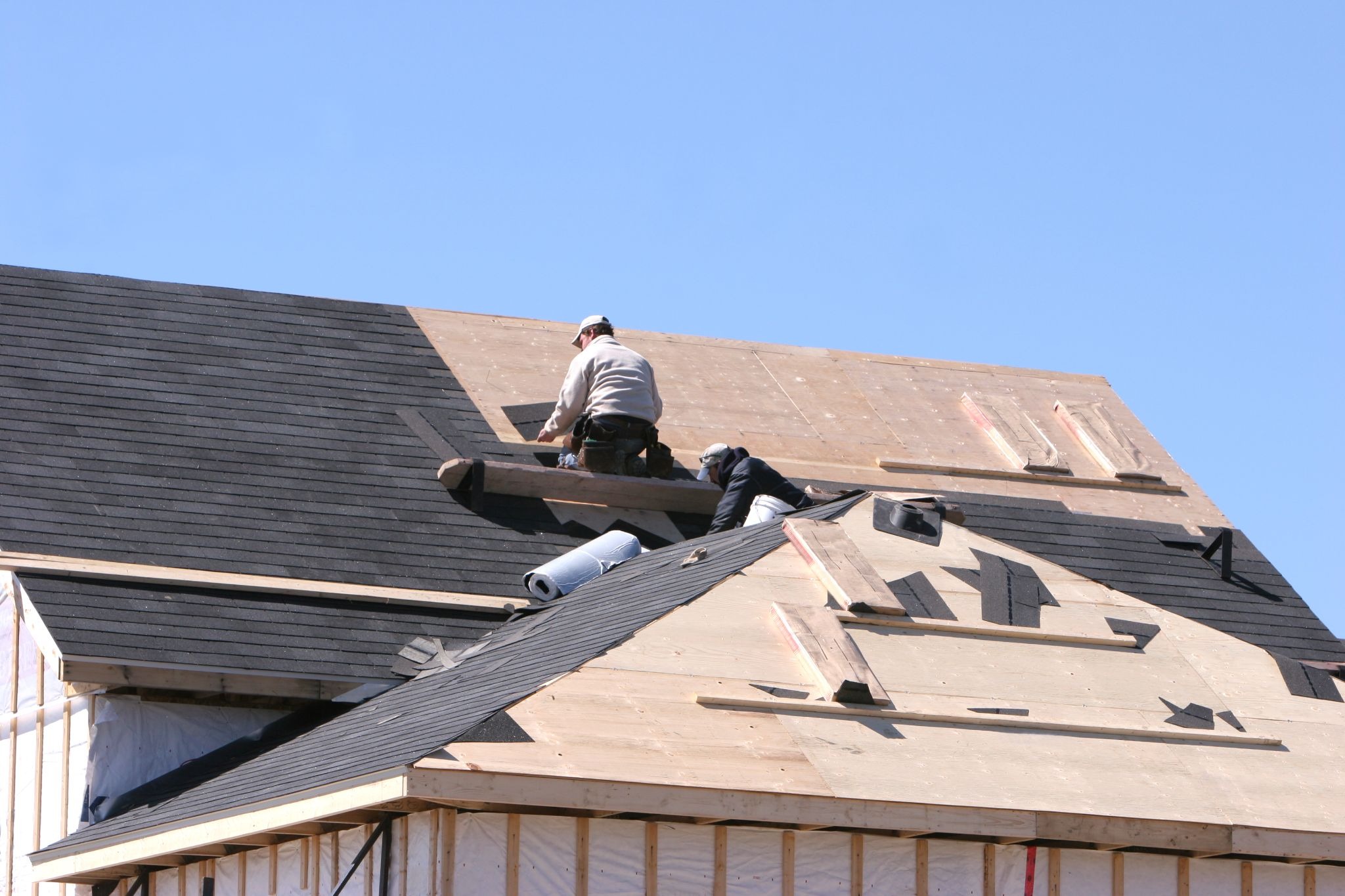
The lowest layer, known as the roof deck or sheathing, is typically made of plywood or oriented strand board (OSB). The decking serves as the structural base onto which all other roofing materials are installed. It must be solid and free from rot, as a compromised deck weakens the entire roofing system. In areas like Greenville and Simpsonville, where heavy rain can lead to increased moisture, properly installed and maintained decking is essential to prevent leaks and structural issues.
Directly above the decking, you’ll find the waterproof underlayment. This layer acts as a barrier that prevents moisture from penetrating into the wood below. In Upstate SC, where sudden downpours or thunderstorms are common, this additional defense is critical. Modern roof repairs often include the installation of synthetic underlayment for better protection and lifespan. This layer is what often stands between your home and water damage during a fierce local storm.
Specific problem spots, such as eaves, valleys, and around roof penetrations like chimneys or skylights, require extra attention. Ice and water shield membranes are self-sealing materials placed in these high-risk areas to guard against wind-driven rain or ice dams. While upstate South Carolina doesn’t experience harsh winters like some northern regions, freezes do occur occasionally, and heavy rains can test these vulnerable zones. By including this layer, your roof can better withstand sudden weather events unique to the region.
Felt paper, or roofing felt, is often installed over the underlayment for an additional layer of moisture resistance. It’s made from a combination of fiberglass or organic mat and is saturated with asphalt. While some newer roofing systems use synthetic versions, felt remains popular for its affordability and effectiveness in climates like Easley, Anderson, and Laurens, where unpredictable rain or wind can challenge roofing systems. This layer helps ensure that any water that makes it past the shingles and underlayment won’t reach the deck.
The outermost layer of your roof is the shingle covering. In Upstate SC, asphalt shingles are the absolute standard choice for their durability, design versatility, and cost-effectiveness. Shingles are engineered to shed water, reflect UV rays, and withstand wind, making them perfectly suited for the region’s varying conditions. Proper shingle installation by a trusted roofing contractor is key to extending the roof’s lifespan and maintaining its appearance.
Waterproof flashing is installed around roof edges, chimneys, skylights, and vents to direct water away from critical seams and joints. Effective flashing is crucial in preventing leaks, particularly after heavy rainstorms common to Spartanburg and neighboring areas. Additionally, a good roof ventilation system helps regulate attic temperatures and reduce moisture buildup, which can prevent damage to your roof’s underlying structure throughout the hot South Carolina summers.
If you live in Simpsonville, Easley, Greenville, Anderson, Laurens, or Spartanburg, SC, knowing what goes into your roof can help you spot problems early and make the best choices for your property. Trust the experienced team at PCS Roofing to evaluate your roofing system and recommend solutions tailored to your specific needs and local climate. Call (864) 862-8887 or fill out our online form to schedule your free inspection and quote. Safeguard your investment with a properly layered, expertly installed roof.